The Art of Flavor: Exploring Flavored Live Resin in Cannabis Concentrates
When I first started working with cannabis concentrates, I remember the moment a friend handed me a dab of live resin that tasted like a fresh-picked lemon peel. Not lemon candy, not lemon cleaner - just the bright, sharp, slightly sweet citrus of a real lemon. That experience taught me something I have carried into years of experimenting: the flavor of a concentrate is not just a bonus; it is a window into the plant itself. And among all the forms concentrates take, flavored live resin stands out as something special.
Live resin, as many enthusiasts know, is made from freshly harvested cannabis plants that are frozen immediately after harvest. The freezing step keeps the trichomes brittle and prevents the degradation of volatile compounds. The result is a concentrate that captures the full spectrum of cannabinoids and terpenes present in the living plant. That is why live resin often tastes more like the strain it came from than other extraction methods can achieve. But when we talk about flavored live resin, we are usually referring to two different things: either the natural flavor profile of a well-grown strain expressed through the live resin process, or a product that has been intentionally infused with additional flavorings.
Natural Flavors vs. Added Flavors
The first category is where I think most experienced users find the deepest satisfaction. A good live resin made from a top-shelf strain like a citrus-forward indica or a piney sativa can deliver flavor notes that rival fine wine or craft beer. The terpenes responsible for those aromas - limonene, myrcene, pinene, linalool - are volatile and heat-sensitive. Because live resin uses a solventless extraction method (often a rosin press or ice water agitation), those delicate compounds survive the process intact. That is why a dab of live resin from a properly handled plant can taste so vividly of the original flower.
The second category, intentionally infused or flavored products, is more controversial. Some producers add botanical terpenes or food-grade flavorings to create profiles like mango, blueberry, or mint. These can be enjoyable, especially for new users who find the earthy, grassy notes of unflavored concentrates off-putting. But there is a trade-off. Added flavors can mask the quality of the base material. A heavily flavored live resin might hide a less-than-pristine extraction or a lower potency batch. I have seen products labeled as flavored live resin that were essentially standard distillate with a few drops of artificial terpene mix stirred in. That is not necessarily a problem if you enjoy the taste, but it is worth knowing what you are paying for.
Solventless Extraction and Flavor Purity
One reason live resin has gained such a strong following among connoisseurs is its solventless nature. Unlike concentrates that rely on butane, propane, or ethanol to strip cannabinoids from plant material, live resin is made using only physical separation. Ice water, gentle agitation, and fine screens or filter bags are the tools. The result is a product that retains the full entourage effect of the original plant - the synergy between THC, CBD, minor cannabinoids, and terpenes that creates a more rounded experience. When a live resin is properly made, the flavor is not an afterthought; it is an honest reflection of the strain.
I have tried live resin from the same strain, processed by two different labs. One used a freeze-drying step before pressing; the other went straight from frozen to the rosin press. The difference in flavor was dramatic. The freeze-dried batch had a cleaner, more pronounced fruitiness. The other, while still potent, had a slightly grassy undertone that faded the terpene profile. That kind of detail matters when you are chasing a specific taste experience.
How to Choose and Use Flavored Live Resin
If you are shopping for concentrates, whether at a local dispensary or through a site like KushStation, the first thing to look at is the strain name and the extraction method. A product labeled simply as "live resin" with no mention of added flavor is almost certainly naturally flavored. If it says "flavored live resin" or "infused live resin," check the ingredients list. Legitimate producers will tell you what was added. Look for terms like "botanical terpenes" or "food-grade flavoring" rather than vague marketing language.
Potency is another factor. Live resin can range from 60% to over 90% THC, depending on the starting material and processing. Higher potency does not always mean better flavor. Some of the most flavorful live resins I have encountered tested around 70-75% THC. The lower concentration of THC relative to total cannabinoids often allows terpenes to shine through more clearly. For a dabbing session, I prefer a balance: enough THC to feel the effects, but enough terpenes to make each hit interesting.
Dabbing and Flavor Delivery
The way you consume flavored live resin also affects how it tastes. A quartz banger heated too hot will vaporize the terpenes before you can taste them, leaving only a burnt note. I use an e-nail set to around 480 degrees Fahrenheit for most live resin. At that temperature, the vapor is dense and flavorful without being harsh. A lower temperature, around 420-450 degrees, gives even more flavor but produces less vapor. It is worth experimenting to find your sweet spot.
Rig design matters too. A small rig with a narrow air path concentrates the vapor and delivers more flavor per hit. A large rig with percolators and diffusers can strip some of the delicate terpenes before they reach your mouth. For flavored live resin, I use a simple quartz banger and a small, clean rig. The less surface area the vapor touches, the more flavor survives.
Comparing Live Resin to Other Concentrates
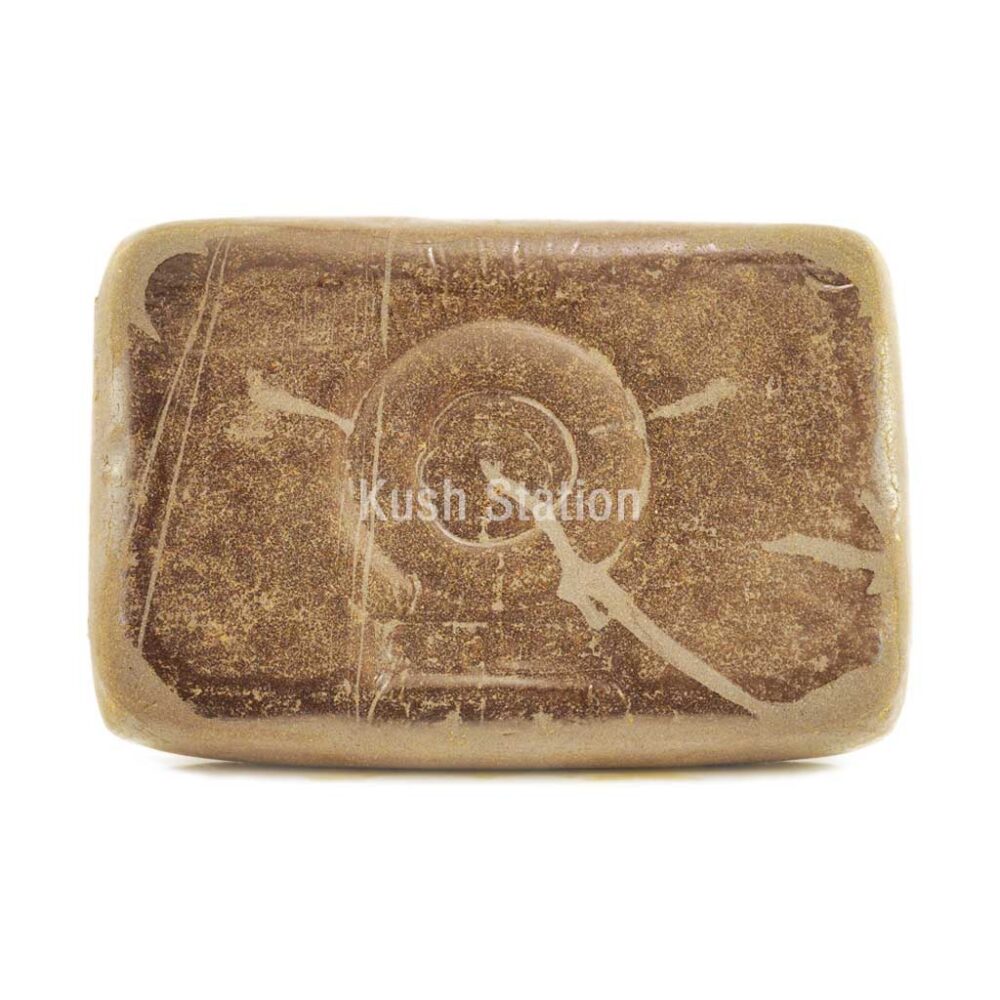
Live resin is not the only concentrate that can carry flavor well. Hash, especially hand-pressed or sieved hash from fresh plants, can have a rich, complex profile. But hash typically has lower terpene volatility because it is often cured or aged. Shatter, made through chemical extraction, tends to be higher in THC but can lose the subtle terpenes during processing. Budder, a whipped form of concentrate, can be flavorful if made from live resin, but the whipping process can also introduce oxidation that dulls the taste over time.
For my palate, live resin sits in a sweet spot. It has the potency of a concentrate but the flavor profile of a fresh flower. That is why I recommend it to friends who are curious about terpenes and want to understand what a strain actually tastes like. If you have only ever tried distillate or BHO, a good live resin can be a revelation.
Strain Selection for Flavor
Not all strains are equally suited to live resin. Some indicas, like those high in myrcene, produce deep earthy or berry notes that translate beautifully. Sativas high in limonene or pinene can give you citrus or pine that feels almost like aromatherapy. Hybrids offer a middle ground. I have had excellent results with strains that are known for strong terpene profiles in the flower form - anything described as "aromatic" or "pungent" in the bud is likely to make a flavorful live resin.
When shopping online at a site like KushStation, you can often filter by potency, type, and price. Look for live resin that lists the strain and the extraction method. If the product page mentions terpene percentages or flavor notes, that is a good sign. A producer confident enough to describe the flavor is usually proud of the product.
The Bottom Line on Flavored Live Resin
Flavored live resin, whether naturally expressed or enhanced, offers one of the most direct connections to the cannabis plant that you can get in a concentrate. It rewards careful sourcing, proper storage, and thoughtful consumption. If you take the time to find a good batch and respect the temperature, you will be rewarded with a taste that no other form can match.
I have had sessions where the flavor of a live resin was the highlight of the evening - the way the lemon or pine or berry notes evolved through each dab, changing subtly as the temperature dropped. That is the kind of experience that turns a casual user into a connoisseur. And it all starts with understanding what you are buying and how to use it.
So next time you are choosing between a jar of shatter and a gram of live resin, think about what you want from the session. If flavor matters to you, go for the live resin. If you want raw potency and do not care about taste, the shatter might be your pick. But if you want both - and you are willing to adjust your technique to get it - flavored live resin is the way to go.